Retail property is entering 2026 with renewed strength and investor confidence. Knight Frank forecasts that retail, including shopping centres, will deliver total returns of around 9.5%, outperforming many other commercial property sectors.
At the same time, shopper behaviour is evolving. Footfall data shows a 5.3% year-on-year rise in visits after 5pm, as consumers increasingly combine retail with dining, leisure and social experiences.
For many shopping centres, however, void units or transitional retail space remain a challenge while longer-term tenants are secured.
Pop-ups offer a practical and commercially effective solution.
The Context
Even with improving retail performance, many centres still experience gaps in tenant mix or vacant units during redevelopment and leasing cycles.
These spaces often remain underutilised, reducing footfall momentum and limiting the commercial potential of the wider destination.
Landlords therefore face a clear opportunity: activate space quickly while maintaining flexibility for future tenants.
Pop-up retail provides a fast, flexible way to transform inactive units into engaging customer experiences.
Examples include:
How Pop-ups Are Being Used
- Independent food and beverage concepts
- Online-first brands testing physical retail
- Experiential fitness and lifestyle pop-ups
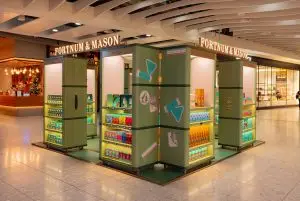
- Temporary retail within hoarding or transitional spaces
Technology is also enabling rapid deployment, from digital display walls to plug-and-play retail frameworks that allow small businesses to launch quickly.
This approach allows centres to activate space immediately while maintaining leasing agility.
The Commercial Impact – Pop-ups deliver measurable commercial benefits for retail destinations.
Increased Footfall – Rotating concepts and experiential retail encourage repeat visits and attract new audiences.
Flexible Revenue – Short-term activations generate income while avoiding long-term leasing constraints.
Customer Insight – Pop-ups act as real-world testing environments, providing data on dwell time, behaviour and consumer preferences.
Stronger Destinations – By introducing variety and experience-led retail, pop-ups help position shopping centres as social and community hubs.
Key Takeaways
- Pop-ups convert vacant units into active, revenue-generating spaces
- Flexible leasing reduces risk for landlords and retailers
- Activations increase dwell time and customer engagement
- Real-time data supports smarter leasing strategies
- Experience-led retail strengthens destination appeal
Looking Ahead
In a retail market that is regaining momentum, the most successful shopping centres will be those that adapt quickly to changing consumer expectations.
Pop-ups offer a low-risk, high-impact way to activate space, test concepts and strengthen the long-term value of retail destinations.